Like us on facebook
Follow us on twitter
Follow us on Linkedin
review us on google

What Can Cause a Bunion to Develop?

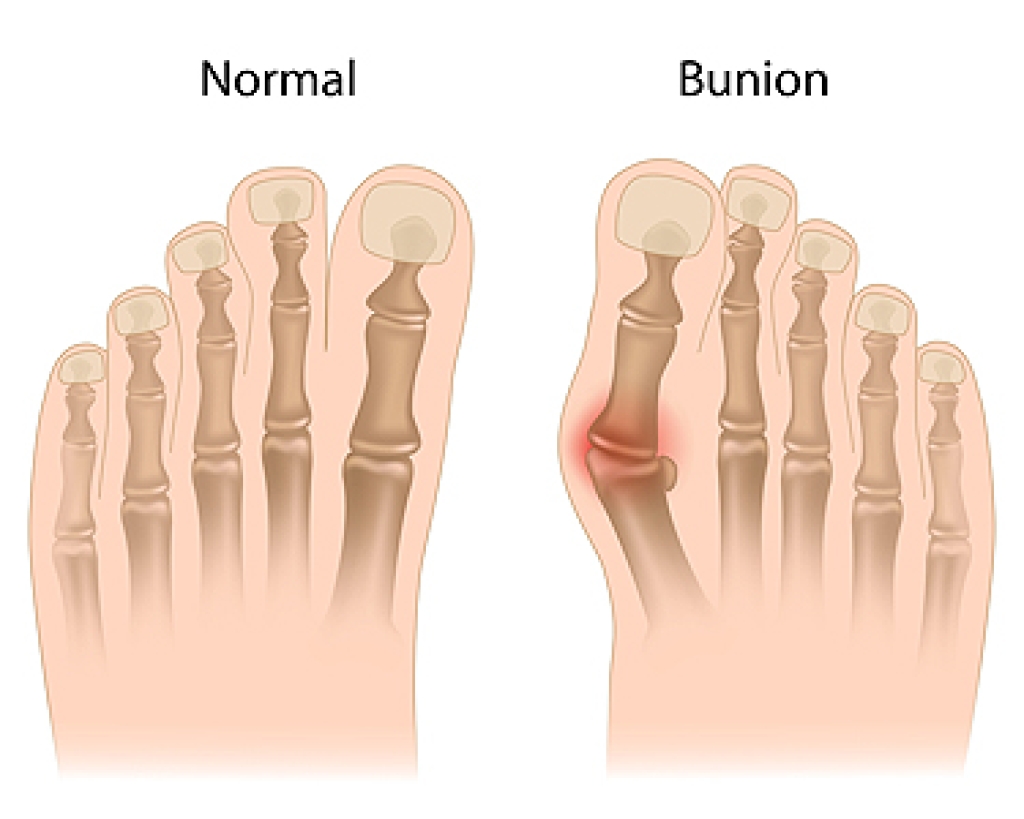
A small bump on the side of the big toe may be indicative of a bunion. This protrusion can become larger, and it may push the other toes closer to each other. Probable causes of a developing bunion can include genetics and wearing shoes that do not have adequate room for the toes to move freely in. Additionally, existing medical conditions such as certain types of arthritis may cause a bunion, or it may develop as a result of repetitive stress on the front of the foot. A bunion may cause difficulty in walking, and the foot may feel painful and stiff. There are effective methods that can be implemented which may help to manage bunion symptoms. Many patients find mild relief when there is ample room in the shoes that are worn, or from using a bunion pad or wearing custom made orthotics. If you notice a bunion that is beginning to form, it is recommended that you schedule a consultation with a podiatrist who can offer you the correct treatment options.

If you are suffering from bunions, contact one of our podiatrists of Pocono Foot & Ankle Consultants. our doctors can provide the care you need to keep you pain-free and on your feet.

What Is a Bunion?

A bunion is formed of swollen tissue or an enlargement of boney growth, usually located at the base joint of the toe that connects to the foot. The swelling occurs due to the bones in the big toe shifting inward, which impacts the other toes of the foot. This causes the area around the base of the big toe to become inflamed and painful.

Why Do Bunions Form?

Genetics – Susceptibility to bunions are often hereditary

Stress on the feet – Poorly fitted and uncomfortable footwear that places stress on feet, such as heels, can worsen existing bunions

How Are Bunions Diagnosed?

Podiatrists often perform two tests – blood tests and x-rays – when trying to diagnose bunions, especially in the early stages of development. Blood tests help determine if the foot pain is being caused by something else, such as arthritis, while x-rays provide a clear picture of your bone structure to your provider.

How Are Bunions Treated?

  • Refrain from wearing heels or similar shoes that cause discomfort
  • Select wider shoes that can provide more comfort and reduce pain
  • Anti-inflammatory and pain management drugs
  • Orthotics or foot inserts
  • Surgery

If you have any questions, please feel free to contact our offices located in Stroudsburg, Nazareth, and Easton, PA . We offer the newest diagnostic and treatment technologies for all your foot care needs.
Read more about Bunions

Changes to the Feet During Pregnancy

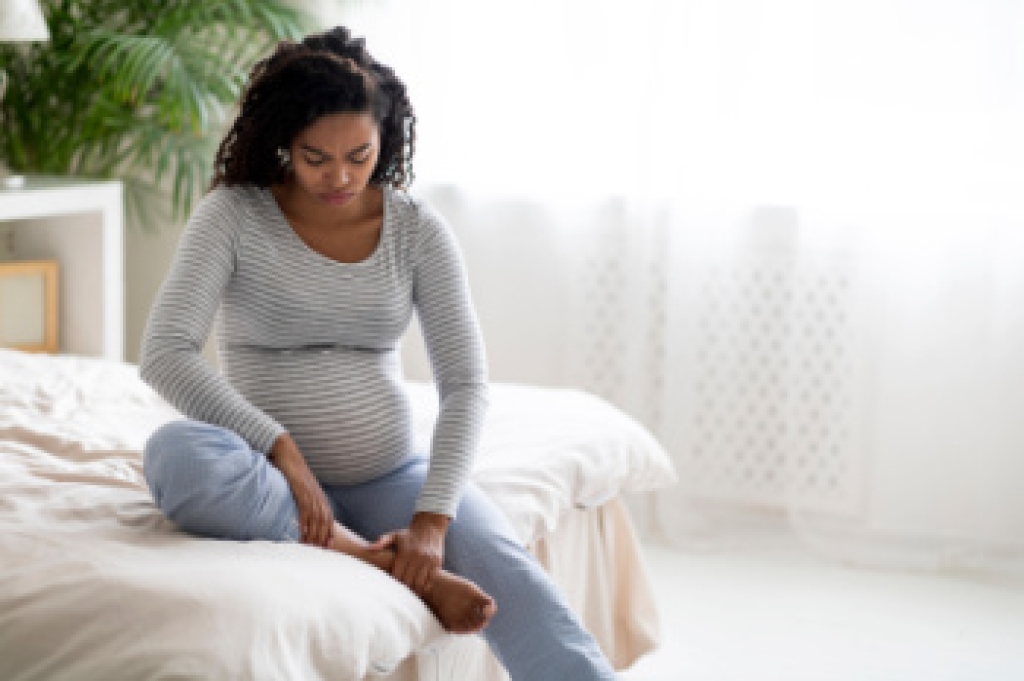
Many women experience foot problems during pregnancy due to hormonal and physical adjustments in the body. Increased levels of certain hormones loosen the ligaments. This allows the arches of the feet to flatten under the added weight, which can lead to pain or changes in alignment. The extra pressure on the feet can also cause swelling, known as edema, as fluid accumulates in the lower legs and ankles. This can make shoes feel tight or uncomfortable. A shifting center of gravity often alters posture and gait, placing additional strain on the feet and ankles. Some women notice their feet become longer or wider as a result of these changes. A podiatrist can evaluate changes in arch height, swelling, or pain, and recommend orthotics or supportive footwear to improve comfort and stability. If you have foot pain related to pregnancy, it is suggested that you make an appointment with a podiatrist for a diagnosis and treatment.

Pregnant women with swollen feet can be treated with a variety of different methods that are readily available. For more information about other cures for swollen feet during pregnancy, consult with one of our podiatrists from Pocono Foot & Ankle Consultants. our doctors will attend to all of your foot and ankle needs.

What Foot Problems Can Arise During Pregnancy?

One problem that can occur is overpronation, which occurs when the arch of the foot flattens and tends to roll inward.  This can cause pain and discomfort in your heels while you’re walking or even just standing up, trying to support your baby.  

Another problem is edema, or swelling in the extremities. This often affects the feet during pregnancy but tends to occur in the later stages. 

How Can I Keep My Feet Healthy During Pregnancy?

  • Wearing orthotics can provide extra support for the feet and help distribute weight evenly
  • Minimize the amount of time spent walking barefoot
  • Wear shoes with good arch support
  • Wear shoes that allow for good circulation to the feet
  • Elevate feet if you experience swelling
  • Massage your feet
  • Get regular, light exercise, such as walking, to promote blood circulation to the feet

If you have any questions, please feel free to contact our offices located in Stroudsburg, Nazareth, and Easton, PA . We offer the newest diagnostic and treatment technologies for all your foot care needs.
Read more about Foot Care for Pregnant Women

Helping Your Toddler Transition from Barefoot to Wearing Shoes

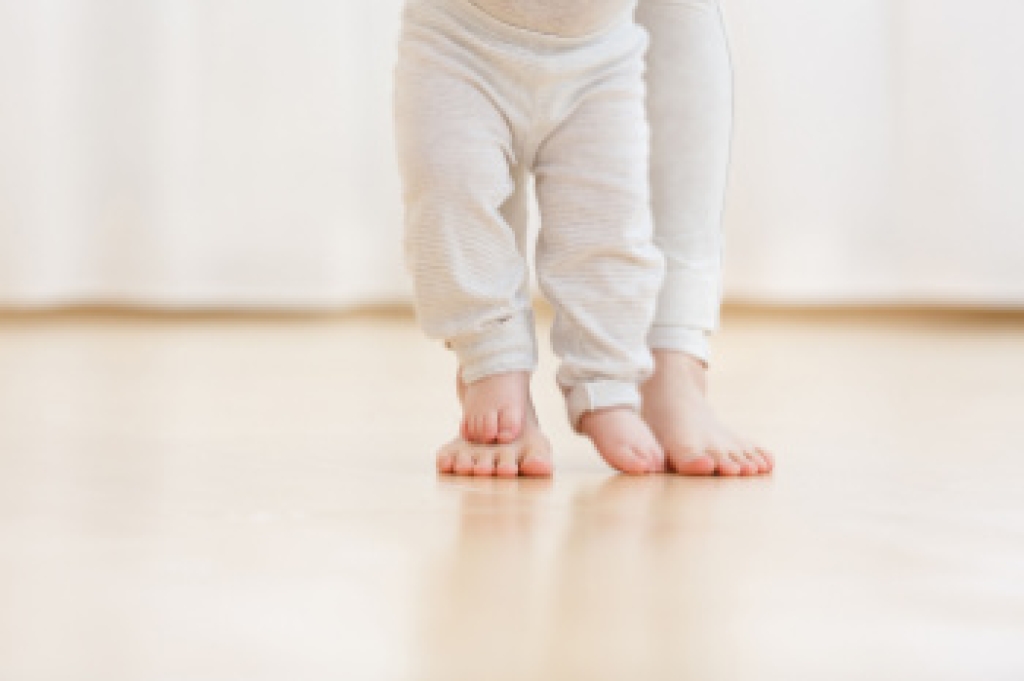
Transitioning a toddler from walking barefoot to wearing shoes should be done gradually to support healthy foot development. Toddlers benefit from walking barefoot while learning to walk because it helps them build balance and strength. When indoors, thick socks can provide protection without restricting natural movement. Once they are steady on their feet, have them professionally fitted for shoes that are soft, flexible, and comfortable. New shoes are often needed every two to four months as toddlers grow quickly. A podiatrist can guide parents on proper shoe choices, evaluate foot development, and address any concerns that may arise during this stage. If you want to ensure your toddler has the best start for healthy feet, it is suggested that you schedule a podiatric appointment today for expert support.

The health of a child’s feet is vital to their overall well-being. If you have any questions regarding foot health, contact one of our podiatrists of Pocono Foot & Ankle Consultants. our doctors can provide the care you need to keep you pain-free and on your feet.

Tips for Keeping Children's Feet Healthy

  • Make sure their shoes fit properly
  • Look for any signs of in-toeing or out-toeing
  • Check to see if they have Clubfoot (condition that affects your child’s foot and ankle, twisting the heel and toes inward) which is one of the most common nonmajor birth defects.
  • Lightly cover your baby’s feet (Tight covers may keep your baby from moving their feet freely, and could prevent normal development)
  • Allow your toddler to go shoeless (Shoes can be restricting for a young child’s foot)
  • Cut toenails straight across to avoid ingrown toenails
  • Keep your child’s foot clean and dry
  • Cover cuts and scrapes. Wash any scratches with soap and water and cover them with a bandage until they’ve healed.

If you have any questions, please feel free to contact our offices located in Stroudsburg, Nazareth, and Easton, PA . We offer the newest diagnostic and treatment technologies for all your foot care needs.
Read more about What to Do to Keep Your Child’s Feet Healthy

Reminder: When Was the Last Time...?

Custom orthotics, or shoe inserts, should be periodically replaced. Orthotics must fit properly to give you the best results. Protect your feet and ankles!

Preventing Foot Problems in Elderly People

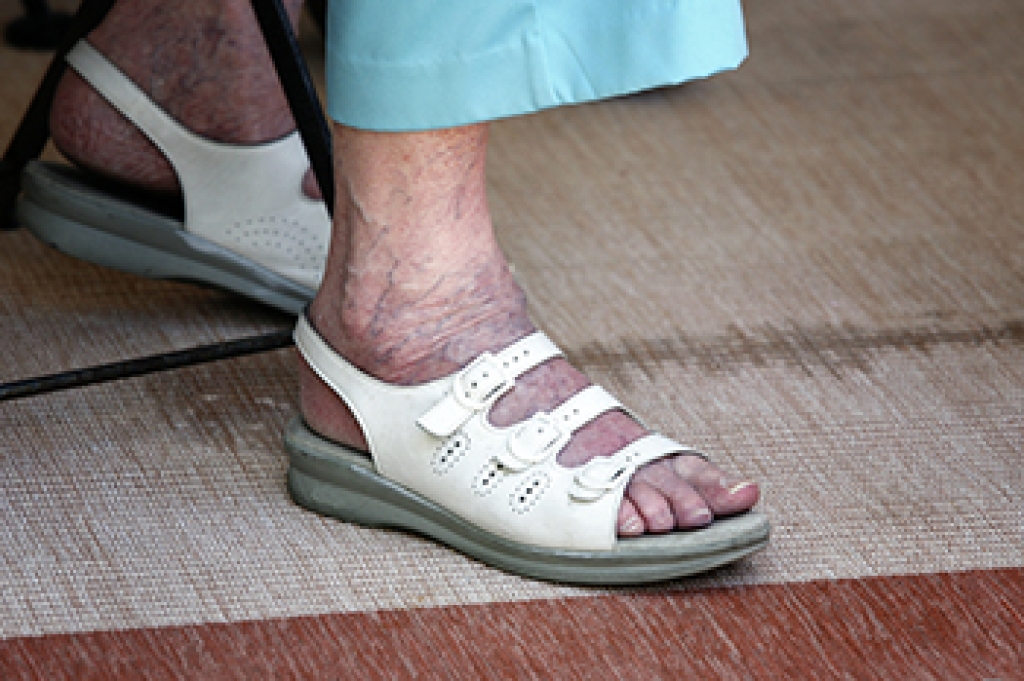
As people age, maintaining balance and mobility becomes more difficult, increasing the risk of falls. Decreased muscle strength, joint stiffness, vision changes, and reduced nerve sensitivity can all lead to instability. Foot pain, bunions, hammertoes, and poorly fitting shoes may further affect balance and gait. Some medications and circulation problems can also cause dizziness or weakness. Regular foot care is essential for stability and comfort. A podiatrist can assess foot health, gait, correct biomechanical issues, and recommend custom orthotics or supportive footwear. It is suggested that older adults who notice changes in balance or foot comfort schedule a podiatric exam to prevent falls and stay active safely.

If you need your feet checked, contact one of our podiatrists of Pocono Foot & Ankle Consultants. our doctors will attend to all of your foot and ankle needs and provide you with quality treatment.

Geriatrics and Podiatry
When people age, some common issues that may occur are bone density loss, dry skin, poor circulation, and rough brittle nails. These issues may also affect your foot health if the necessary steps are not taken to alleviate the problems.

It is important to take care of your feet because feet that are injured or diseased can affect your overall health. Having painful feet hinders your ability to do daily activities or may decrease your willingness to do the things that you need to do.

Visiting Your Geriatrician
As we age, health problems become more likely, so it is essential to visit your doctor for check-ups to ensure that you are doing the best you can to take care of your health. It is recommended to check your feet frequently for any possible cuts, bruises, swelling, corns or any other irregularities. 

Taking Care of Elderly Feet
Cracked or dry feet can be treated by applying moisturizer often. It is also important not to wear old socks because the older the sock is, the higher the possibility there will be that there is bacteria there. Wear fresh socks and make sure they fit properly.

Proper foot health means that you can have a more active lifestyle and you will not be bogged down by pain. Foot health also leads to good circulation, which is paramount for overall health.

If you have any questions, please feel free to contact our offices located in Stroudsburg, Nazareth, and Easton, PA . We offer the newest diagnostic and treatment technologies for all your foot care needs.

Read more about Geriatrics and Podiatry
scroll to top