Like us on facebook
Follow us on twitter
Follow us on Linkedin
review us on google

Causes of Swollen Feet and Ankles

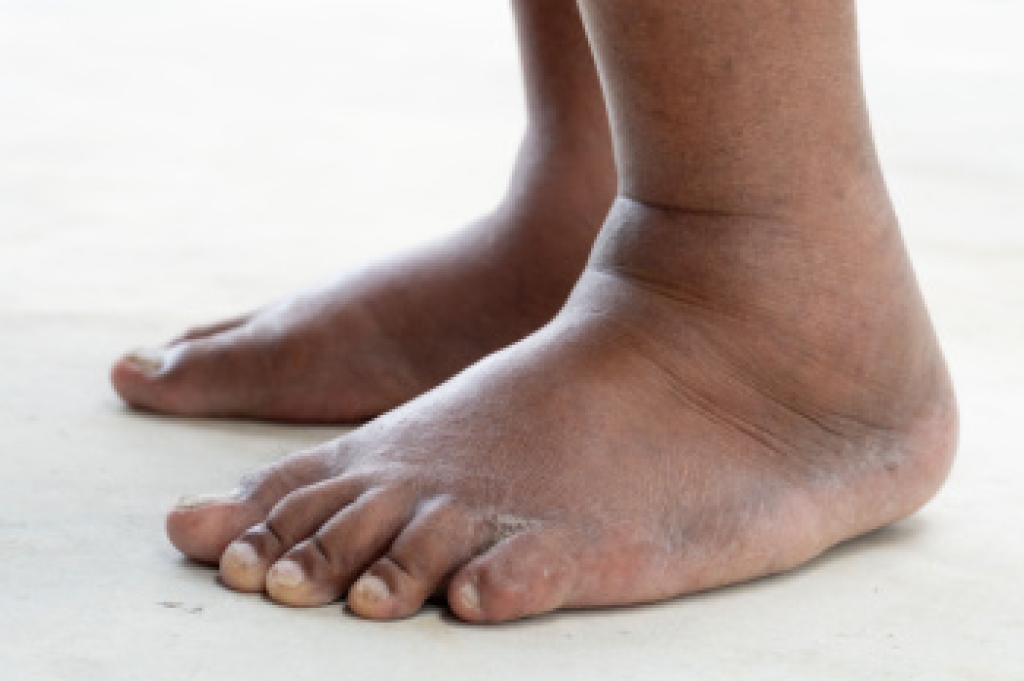
Swollen feet and ankles can develop from several underlying causes. Cardiovascular conditions may affect circulation and lead to fluid buildup, while hormonal changes can increase fluid retention in the body. Certain medications and infections may also trigger swelling and discomfort. Symptoms include puffiness, tight skin, and reduced mobility. Risk factors include prolonged standing, limited movement, excess weight, and aging. Edema may signal a deeper issue that requires attention. A podiatrist can evaluate the cause, recommend treatment, and improve comfort. If you have swollen feet or ankles, it is suggested that you consult a podiatrist who can determine the reason why and offer effective treatment solutions.

Swollen feet can be a sign of an underlying condition. If you have any concerns, contact one of our podiatrists of Pocono Foot & Ankle Consultants. our doctors can provide the care you need to keep you pain-free and on your feet.

Swollen feet are a common ailment among pregnant women and people who stand or sit for extended periods. Aging may increase the possibility of swollen feet and patients who are obese often notice when their feet are swelling too. There may be medical reasons why swollen feet occur:

  • Phlebitis - A condition that causes the veins to become inflamed and can also cause leg pain.
  • Liver disease - This may lead to low blood levels of albumin which is a protein. This can cause fluid in the blood to pass into the tissues and several areas of the body can become swollen.
  • Heart failure - When the heart doesn’t pump properly the blood that is normally pumped back to the heart can pool in the veins of the legs causing swollen feet.
  • Kidney disease - One of the main functions of the kidneys is releasing excess fluid in the body. This type of condition can make it difficult for the kidneys to function properly, and as a result the feet may become swollen.
  • Deep-vein thrombosis (DVT)- This is a serious condition where blood clots form in the veins of the legs. They can block the return of blood from the legs to the heart which may cause the feet to swell. It is important to be treated by a podiatrist if this condition is present.

Swollen feet can also be caused by bone and tendon conditions, including fractures, arthritis, and tendinitis. Additionally, there may be skin and toenail conditions and an infection may cause the feet to swell. Patients who take medicine to treat high blood pressure may be prone to getting swollen feet. 

Many patients elevate their feet to help relieve the swelling and this is generally a temporary remedy. When a podiatrist is consulted the reason behind the swelling can be uncovered and subsequently treated.

If you have any questions please contact our offices located in Stroudsburg, Nazareth, and Easton, PA . We offer the newest diagnostic and treatment technologies for all your foot and ankle needs.


Read more about Swelling of the Feet

Causes of Ankle Pain

Ankle pain can occur when the bones, ligaments, tendons, or joints in the ankle become injured or irritated. The ankle joint connects the leg to the foot. It forms where the shin bone, calf bone, and a bone in the foot meet and move together. This type of joint allows the foot to bend up and down when walking, running, or standing. Strong bands of tissue called ligaments help hold the bones together and keep the joint stable. Tendons, which connect muscles to bones, also help control movement. When these tissues are stretched, torn, inflamed, or damaged, ankle pain can develop. One of the most common causes is an ankle sprain, which happens when the ligaments stretch too far or tear. Other causes include broken bones, arthritis that causes joint pain and stiffness, and tendinitis, which is irritation of a tendon. A podiatrist can identify the cause of ankle pain and provide appropriate treatment. If you are experiencing ankle pain, it is suggested that you make an appointment with a podiatrist for an exam, diagnosis, and treatment.

Ankle pain can have many different causes and the pain may potentially be serious. If you have ankle pain, consult with one of our podiatrists from Pocono Foot & Ankle Consultants. our doctors will assess your condition and provide you with quality foot and ankle treatment.

Ankle pain is any condition that causes pain in the ankle. Due to the fact that the ankle consists of tendons, muscles, bones, and ligaments, ankle pain can come from a number of different conditions.

Causes

The most common causes of ankle pain include:

  • Types of arthritis (rheumatoid, osteoarthritis, and gout)
  • Ankle sprains
  • Broken ankles
  • Achilles tendinitis
  • Achilles tendon rupture
  • Stress fractures
  • Tarsal tunnel syndrome
  • Plantar fasciitis

Symptoms

Symptoms of ankle injury vary based upon the condition. Pain may include general pain and discomfort, swelling, aching, redness, bruising, burning or stabbing sensations, and/or loss of sensation.

Diagnosis

Due to the wide variety of potential causes of ankle pain, podiatrists will utilize a number of different methods to properly diagnose ankle pain. This can include asking for personal and family medical histories and of any recent injuries. Further diagnosis may include sensation tests, a physical examination, and potentially x-rays or other imaging tests.

Treatment

Just as the range of causes varies widely, so do treatments. Some more common treatments are rest, ice packs, keeping pressure off the foot, orthotics and braces, medication for inflammation and pain, and surgery.

If you have any questions please feel free to contact our offices located in Stroudsburg, Nazareth, and Easton, PA . We offer the newest diagnostic tools and technology to treat your foot and ankle needs.

Read more about Ankle Pain

How Diabetic Neuropathy Affects the Feet

Diabetic neuropathy is nerve damage caused by long-term high blood sugar levels. It most often affects the feet and legs. Nerves are like electrical wires that send messages between the brain and the body. When they are damaged, these messages do not travel correctly. Many people experience numbness, tingling, burning, or sharp shooting pain in their feet. Some lose what is called protective sensation, which means they cannot feel cuts, blisters, or pressure. This can lead to sores, infections, and slow healing. Diabetic neuropathy can also weaken muscles, change foot shape, and affect balance, increasing the risk of falls. Because symptoms may develop slowly, regular foot exams are important. A podiatrist can test sensation, check circulation, identify deformities, and create a treatment plan to reduce pain and lower the risk of ulcers and infection. If you have symptoms of diabetic neuropathy, it is suggested that you make an appointment with a podiatrist for an exam, diagnosis, and treatment.

Neuropathy

Neuropathy can be a potentially serious condition, especially if it is left undiagnosed. If you have any concerns that you may be experiencing nerve loss in your feet, consult with one of our podiatrists from Pocono Foot & Ankle Consultants. our doctors will assess your condition and provide you with quality foot and ankle treatment for neuropathy.

What Is Neuropathy?

Neuropathy is a condition that leads to damage to the nerves in the body. Peripheral neuropathy, or neuropathy that affects your peripheral nervous system, usually occurs in the feet. Neuropathy can be triggered by a number of different causes. Such causes include diabetes, infections, cancers, disorders, and toxic substances.

Symptoms of Neuropathy Include:

  • Numbness
  • Sensation loss
  • Prickling and tingling sensations
  • Throbbing, freezing, burning pains
  • Muscle weakness

Those with diabetes are at serious risk due to being unable to feel an ulcer on their feet. Diabetics usually also suffer from poor blood circulation. This can lead to the wound not healing, infections occurring, and the limb may have to be amputated.

Treatment

To treat neuropathy in the foot, podiatrists will first diagnose the cause of the neuropathy. Figuring out the underlying cause of the neuropathy will allow the podiatrist to prescribe the best treatment, whether it be caused by diabetes, toxic substance exposure, infection, etc. If the nerve has not died, then it’s possible that sensation may be able to return to the foot.

Pain medication may be issued for pain. Electrical nerve stimulation can be used to stimulate nerves. If the neuropathy is caused from pressure on the nerves, then surgery may be necessary.

If you have any questions, please feel free to contact our offices located in Stroudsburg, Nazareth, and Easton, PA . We offer the newest diagnostic and treatment technologies for all your foot care needs.

Read more about Neuropathy

When a Toe Stays Bent

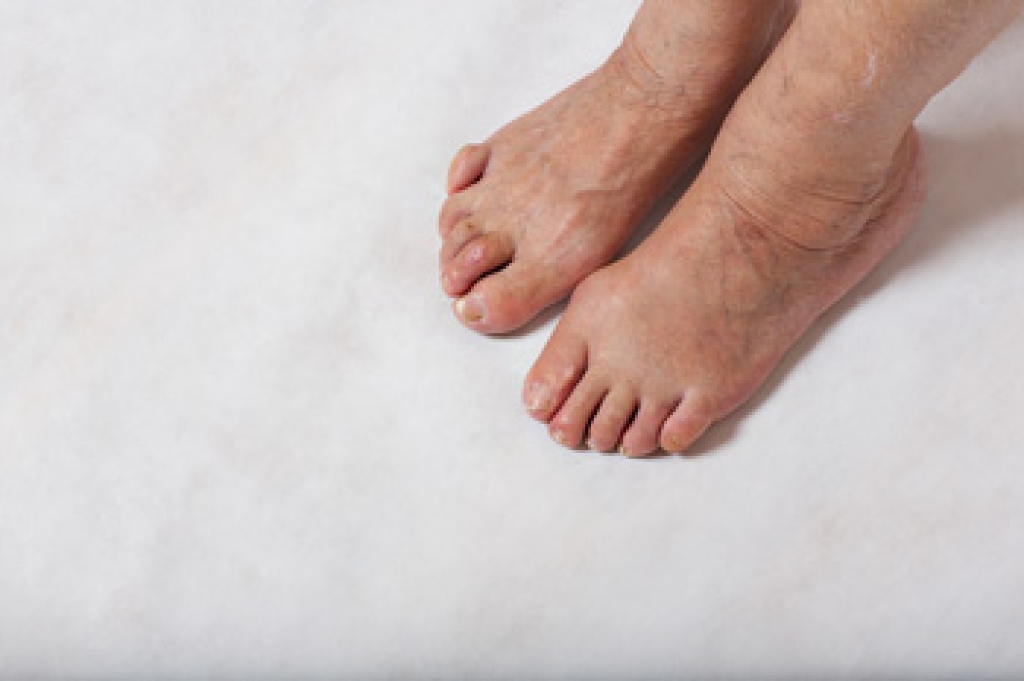
A hammertoe is a deformity in which one of the smaller toes bends downward at the middle joint, creating a curled or hammer-like appearance. This condition often develops gradually due to muscle imbalance, tight footwear, or structural foot changes like bunions. Over time, the toe may become stiff and difficult to straighten. Patients may notice redness, swelling, or corns forming on the top of the bent joint from rubbing against shoes. The toe can feel sore or irritated, especially when walking or wearing narrow shoe styles. In early stages, the deformity may still be flexible, but without treatment it can become rigid and more painful. A podiatrist begins with a detailed examination to determine whether the hammertoe is flexible or fixed and to identify contributing factors. Treatment may include shoe modifications, padding, custom orthotics, and targeted exercises to improve balance and alignment. In more advanced cases, surgical correction may be considered. If you have a hammertoe, it is suggested that you make an appointment with a podiatrist for proper evaluation and care.

Hammertoe

Hammertoes can be a painful condition to live with. For more information, contact one of our podiatrists from Pocono Foot & Ankle Consultants. our doctors will answer any of your foot- and ankle-related questions.

Hammertoe is a foot deformity that affects the joints of the second, third, fourth, or fifth toes of your feet. It is a painful foot condition in which these toes curl and arch up, which can often lead to pain when wearing footwear.

Symptoms

  • Pain in the affected toes
  • Development of corns or calluses due to friction
  • Inflammation
  • Redness
  • Contracture of the toes

Causes

Genetics – People who are genetically predisposed to hammertoe are often more susceptible

Arthritis – Because arthritis affects the joints in your toes, further deformities stemming from arthritis can occur

Trauma – Direct trauma to the toes could potentially lead to hammertoe

Ill-fitting shoes – Undue pressure on the front of the toes from ill-fitting shoes can potentially lead to the development of hammertoe

Treatment

Orthotics – Custom made inserts can be used to help relieve pressure placed on the toes and therefore relieve some of the pain associated with it

Medications – Oral medications such as anti-inflammatories or NSAIDs could be used to treat the pain and inflammation hammertoes causes. Injections of corticosteroids are also sometimes used

Surgery – In more severe cases where the hammertoes have become more rigid, foot surgery is a potential option

If you have any questions, please feel free to contact our offices located in Stroudsburg, Nazareth, and Easton, PA . We offer the newest diagnostic and treatment technologies for all your foot care needs.

Read more about What Are Hammertoes?
scroll to top