Like us on facebook
Follow us on twitter
Follow us on Linkedin
review us on google

The Importance of Professional Foot Wound Care

Foot wounds can develop from cuts, punctures, scrapes, or other injuries that damage the skin. While some wounds may seem minor at first, they can become more serious if healing is delayed or complications develop. Pain, swelling, and redness are common symptoms, while some wounds may also produce drainage or become warm to the touch. People with diabetes, poor circulation, or reduced feeling in their feet often face a greater risk of slow-healing wounds and infection. Because the feet are under constant pressure from standing and walking, even a small wound can interfere with daily activities. A professional evaluation is important to determine the severity of the wound and identify the most appropriate treatment.


Proper wound healing depends on healthy blood flow, clean tissue, and protection from additional injury. If a foot wound remains open for too long, the surrounding tissue may become damaged and the risk of infection can increase. As discomfort worsens, many people begin to change the way they walk, placing extra stress on the ankle, knee, or hip. A thorough podiatry examination helps evaluate the depth of the wound and identify any underlying conditions that may delay healing. In some cases, additional testing may be needed to assess circulation or determine whether an infection is present. Early diagnosis helps reduce the risk of more serious complications and supports better long-term foot health.


A podiatrist specializes in evaluating and treating foot wounds while carefully monitoring the healing process. Professional treatment focuses on protecting healthy tissue, promoting wound healing, and reducing the risk of infection. Care is tailored to each patient's needs and may be adjusted as the wound improves. Regular follow-up visits allow healing to be monitored and any concerns to be addressed promptly. If you have a foot wound that is painful, slow to heal, or showing signs of infection, it is suggested that you consult a podiatrist for an evaluation and appropriate treatment options.

Wound care is an important part in dealing with diabetes. If you have diabetes and a foot wound or would like more information about wound care for diabetics, consult with one of our podiatrists from Pocono Foot & Ankle Consultants. our doctors will assess your condition and provide you with quality foot and ankle treatment.

What Is Wound Care?

Wound care is the practice of taking proper care of a wound. This can range from the smallest to the largest of wounds. While everyone can benefit from proper wound care, it is much more important for diabetics. Diabetics often suffer from poor blood circulation which causes wounds to heal much slower than they would in a non-diabetic. 

What Is the Importance of Wound Care?

While it may not seem apparent with small ulcers on the foot, for diabetics, any size ulcer can become infected. Diabetics often also suffer from neuropathy, or nerve loss. This means they might not even feel when they have an ulcer on their foot. If the wound becomes severely infected, amputation may be necessary. Therefore, it is of the upmost importance to properly care for any and all foot wounds.

How to Care for Wounds

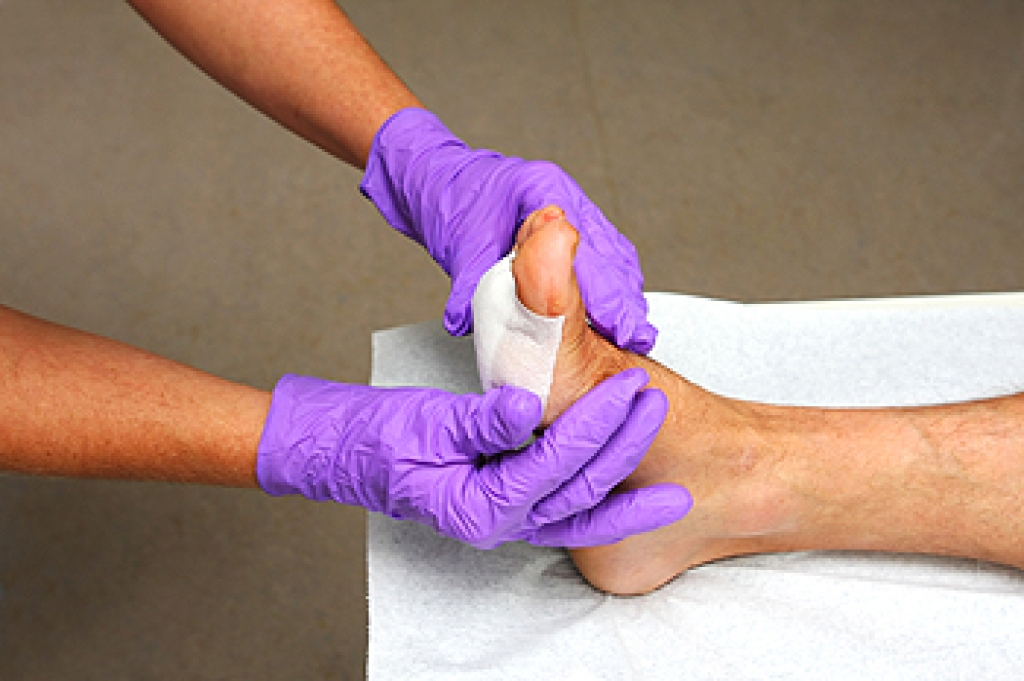
The best way to care for foot wounds is to prevent them. For diabetics, this means daily inspections of the feet for any signs of abnormalities or ulcers. It is also recommended to see a podiatrist several times a year for a foot inspection. If you do have an ulcer, run the wound under water to clear dirt from the wound; then apply antibiotic ointment to the wound and cover with a bandage. Bandages should be changed daily and keeping pressure off the wound is smart. It is advised to see a podiatrist, who can keep an eye on it.

If you have any questions please contact our offices located in Stroudsburg, Nazareth, and Easton, PA . We offer the newest diagnostic and treatment technologies for all your foot and ankle needs.

Read more about Wound Care

Foot Skin Irritation and Eczema Types That Affect Daily Comfort

Foot skin irritation can interfere with daily activities and often signals an underlying dermatological condition. The feet are exposed to constant pressure, moisture, and friction, which makes them more vulnerable to irritation. Atopic dermatitis and dyshidrotic eczema are two common conditions that affect the skin on the feet. These conditions involve inflammation and can lead to recurring discomfort if not properly addressed. Early recognition is key to maintaining healthy skin and preventing complications. Symptoms of foot irritation vary but often include itching, redness, and scaling. Some individuals experience painful cracks or peeling skin, while others develop small blisters that may leak fluid. Dyshidrotic eczema typically presents with clustered blisters that cause burning or itching sensations. Atopic dermatitis often leads to dry and inflamed skin that may thicken over time. These symptoms can worsen with heat, moisture, and repeated friction. Common causes of foot skin irritation include stress, which can weaken the immune response and trigger flare-ups. Diet also plays a role, as poor nutrition may reduce the skin's ability to repair itself. Shoe and sock materials can irritate the skin, especially when they restrict airflow or trap sweat. Repeated exposure to these factors can disrupt the skin barrier and lead to chronic irritation.

Risk factors include prolonged use of tight footwear, high humidity, sensitive skin, and a history of allergic reactions. Individuals who are active or spend long hours on their feet may be more prone to irritation. Preventive care and proper treatment can improve skin health and reduce symptoms. If you are dealing with irritated skin on your feet, it is suggested that you seek care from a podiatrist for effective relief and treatment solutions.

Foot Pain

Foot pain can be extremely painful and debilitating. If you have a foot pain, consult with one of our podiatrists from Pocono Foot & Ankle Consultants. our doctors will assess your condition and provide you with quality foot and ankle treatment.

Causes

Foot pain is a very broad condition that could be caused by one or more ailments. The most common include:

  • Bunions
  • Hammertoes
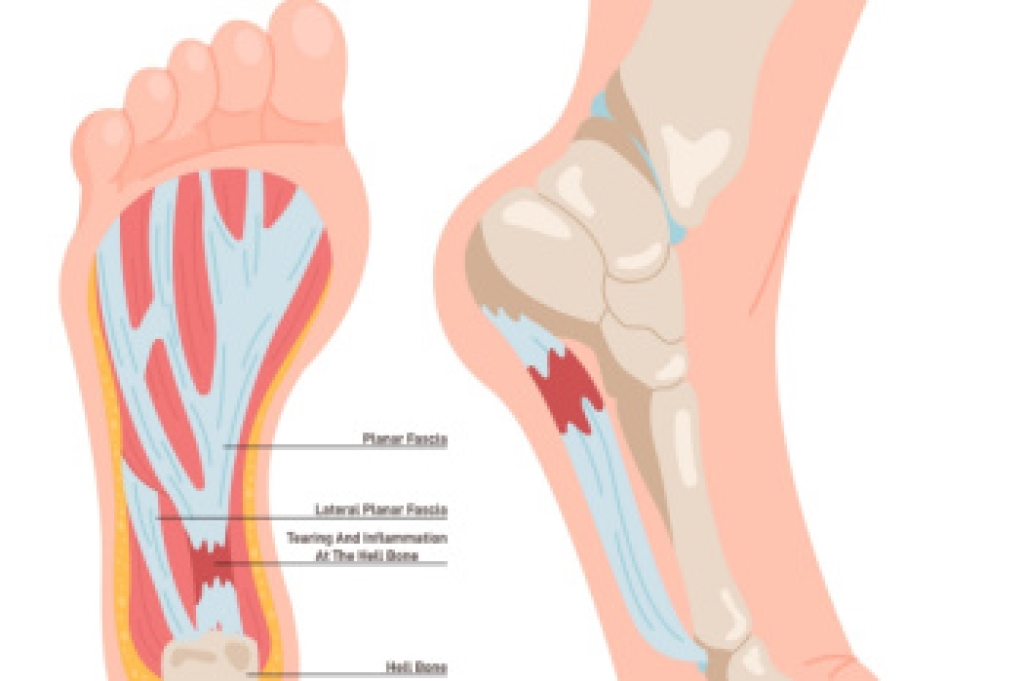
  • Plantar Fasciitis
  • Bone Spurs
  • Corns
  • Tarsal Tunnel Syndrome
  • Ingrown Toenails
  • Arthritis (such as Gout, Rheumatoid, and Osteoarthritis)
  • Flat Feet
  • Injury (from stress fractures, broken toe, foot, ankle, Achilles tendon ruptures, and sprains)
  • And more

Diagnosis

To figure out the cause of foot pain, podiatrists utilize several different methods. This can range from simple visual inspections and sensation tests to X-rays and MRI scans. Prior medical history, family medical history, and any recent physical traumatic events will all be taken into consideration for a proper diagnosis.

Treatment

Treatment depends upon the cause of the foot pain. Whether it is resting, staying off the foot, or having surgery; podiatrists have a number of treatment options available for foot pain.

If you have any questions, please feel free to contact our offices located in Stroudsburg, Nazareth, and Easton, PA . We offer the newest diagnostic and treatment technologies for all your foot care needs.
Read more about Foot Pain
Advanced Podiatric Procedures & Services in the Monroe County, PA: Stroudsburg, East Stroudsburg, Tobyhanna, Tannersville, Brodheadsville, Bartonsville, Marshalls Creek, Smithfield, Northampton County, PA: Nazareth, Easton, Bethlehem, Bangor, Stockertown, Wind Gap, Bath, Wilson, Freemansburg, Hellertown, Lehigh County, PA: Allentown, Schnecksville, Emmaus, Macungie, Coopersburg, Upper Macungie, Trexlertown, Carbon County, PA: Palmerton, Lehighton, Jim Thorpe, Palmerton, Lansford, Bowmanstown, Bucks County, PA: Quakertown, Richlandtown, Perkasie areas