


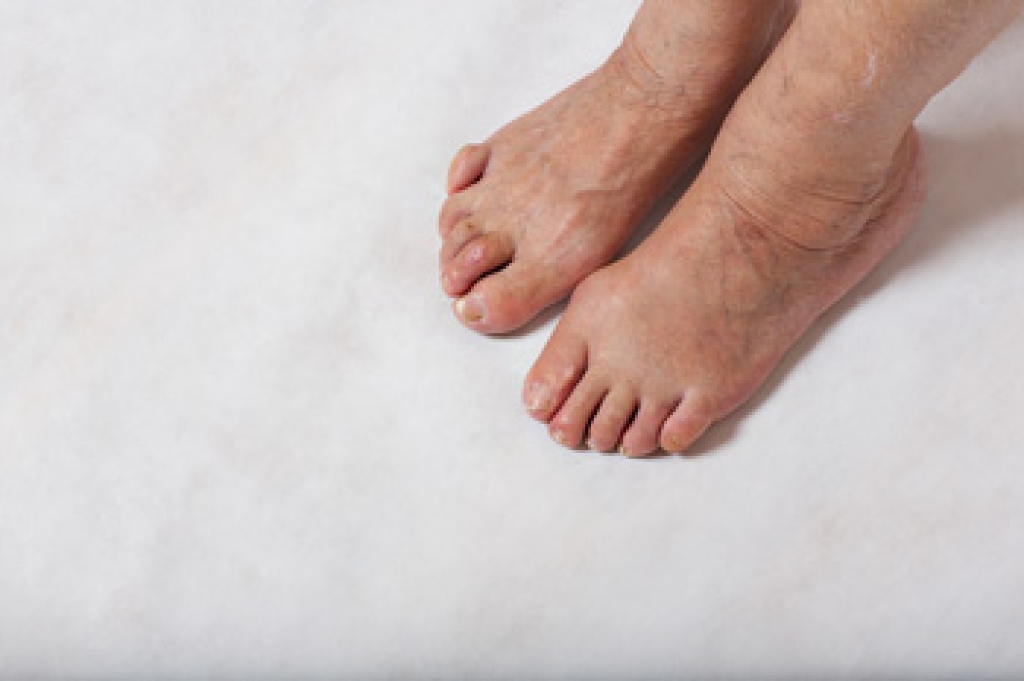
A hammertoe is a deformity in which one of the smaller toes bends downward at the middle joint, creating a curled or hammer-like appearance. This condition often develops gradually due to muscle imbalance, tight footwear, or structural foot changes like bunions. Over time, the toe may become stiff and difficult to straighten. Patients may notice redness, swelling, or corns forming on the top of the bent joint from rubbing against shoes. The toe can feel sore or irritated, especially when walking or wearing narrow shoe styles. In early stages, the deformity may still be flexible, but without treatment it can become rigid and more painful. A podiatrist begins with a detailed examination to determine whether the hammertoe is flexible or fixed and to identify contributing factors. Treatment may include shoe modifications, padding, custom orthotics, and targeted exercises to improve balance and alignment. In more advanced cases, surgical correction may be considered. If you have a hammertoe, it is suggested that you make an appointment with a podiatrist for proper evaluation and care.
Hammertoe
Hammertoes can be a painful condition to live with. For more information, contact one of our podiatrists from Pocono Foot & Ankle Consultants. our doctors will answer any of your foot- and ankle-related questions.
Hammertoe is a foot deformity that affects the joints of the second, third, fourth, or fifth toes of your feet. It is a painful foot condition in which these toes curl and arch up, which can often lead to pain when wearing footwear.
Symptoms
- Pain in the affected toes
- Development of corns or calluses due to friction
- Inflammation
- Redness
- Contracture of the toes
Causes
Genetics – People who are genetically predisposed to hammertoe are often more susceptible
Arthritis – Because arthritis affects the joints in your toes, further deformities stemming from arthritis can occur
Trauma – Direct trauma to the toes could potentially lead to hammertoe
Ill-fitting shoes – Undue pressure on the front of the toes from ill-fitting shoes can potentially lead to the development of hammertoe
Treatment
Orthotics – Custom made inserts can be used to help relieve pressure placed on the toes and therefore relieve some of the pain associated with it
Medications – Oral medications such as anti-inflammatories or NSAIDs could be used to treat the pain and inflammation hammertoes causes. Injections of corticosteroids are also sometimes used
Surgery – In more severe cases where the hammertoes have become more rigid, foot surgery is a potential option
If you have any questions, please feel free to contact our offices located in Stroudsburg, Nazareth, and Easton, PA . We offer the newest diagnostic and treatment technologies for all your foot care needs.
