


Items filtered by date: January 2025
Symptoms and Relief Options for Ingrown Toenails
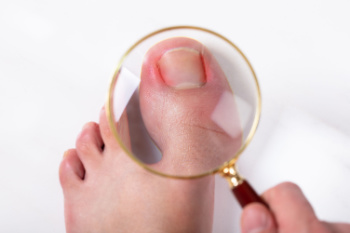
An ingrown toenail occurs when the edge of a toenail grows into the surrounding skin, causing pain, swelling, and sometimes infection. This condition is most commonly seen in the big toe and is often the result of wearing improper footwear, poor nail trimming, or injury. Symptoms of an ingrown toenail include redness, tenderness surrounding the nail, and in some cases, the presence of pus if an infection develops. Conservative treatment for an ingrown toenail typically includes soaking the foot in warm water and wearing comfortable shoes. If the condition does not improve or the nail becomes infected, more advanced treatments may be necessary. Surgical management may involve partial or complete removal of the affected toenail to prevent recurrence. If you have developed an ingrown toenail, it is suggested that you promptly visit a podiatrist who can determine what the best treatment is for you.
Ingrown toenails may initially present themselves as a minor discomfort, but they may progress into an infection in the skin without proper treatment. For more information about ingrown toenails, contact one of our podiatrists of Pocono Foot & Ankle Consultants. our doctors can provide the care you need to keep you pain-free and on your feet.
Ingrown Toenails
Ingrown toenails are caused when the corner or side of a toenail grows into the soft flesh surrounding it. They often result in redness, swelling, pain, and in some cases, infection. This condition typically affects the big toe and may recur if it is not treated properly.
Causes
- Improper toenail trimming
- Genetics
- Improper shoe fitting
- Injury from pedicures or nail picking
- Abnormal gait
- Poor hygiene
You are more likely to develop an ingrown toenail if you are obese, have diabetes, arthritis, or have any fungal infection in your nails. Additionally, people who have foot or toe deformities are at a higher risk of developing an ingrown toenail.
Symptoms
Some symptoms of ingrown toenails are redness, swelling, and pain. In rare cases, there may be a yellowish drainage coming from the nail.
Treatment
Ignoring an ingrown toenail can have serious complications. Infections of the nail border can progress to a deeper soft-tissue infection, which can then turn into a bone infection. You should always speak with your podiatrist if you suspect you have an ingrown toenail, especially if you have diabetes or poor circulation.
If you have any questions, please feel free to contact our offices located in Stroudsburg, Nazareth, and Easton, PA . We offer the newest diagnostic and treatment technologies for all your foot care needs.
Custom Orthotics and Charcot-Marie-Tooth Disease
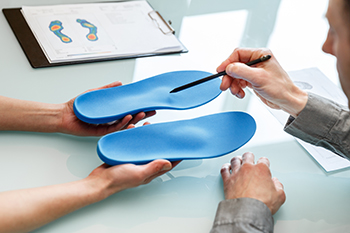
Charcot-Marie-Tooth, or CMT disease, is a hereditary neurological disorder that affects the peripheral nerves leading to muscle weakness, foot deformities, and balance issues. Custom orthotics are often prescribed to improve foot alignment, provide arch support, and reduce pressure points. However, side effects can occur if the orthotics are poorly fitted or not regularly adjusted. These may include increased discomfort, skin irritation, pressure sores, or worsening of foot deformities over time. A podiatrist plays a vital role in managing CMT-related foot complications. This type of doctor can design and adjust orthotics tailored to the patient’s specific needs, ensuring proper fit and support. Regular follow-ups allow the podiatrist to monitor changes in foot structure and address emerging issues early. If you have CMT, it is suggested that you visit a podiatrist for a professional evaluation of custom orthotics.
If you are having discomfort in your feet and would like to try orthotics, contact one of our podiatrists from Pocono Foot & Ankle Consultants. our doctors can provide the care you need to keep you pain-free and on your feet.
What Are Orthotics?
Orthotics are inserts you can place into your shoes to help with a variety of foot problems such as flat feet or foot pain. Orthotics provide relief and comfort for minor foot and heel pain but can’t correct serious biomechanical problems in your feet.
Over-the-Counter Inserts
Orthotics come in a wide variety of over-the-counter inserts that are used to treat foot pain, heel pain, and minor problems. For example, arch supports can be inserted into your shoes to help correct overarched or flat feet, while gel insoles are often used because they provide comfort and relief from foot and heel pain by alleviating pressure.
Prescription Orthotics
If over-the-counter inserts don’t work for you or if you have a more severe foot concern, it is possible to have your podiatrist prescribe custom orthotics. These high-quality inserts are designed to treat problems such as abnormal motion, plantar fasciitis, and severe forms of heel pain. They can even be used to help patients suffering from diabetes by treating foot ulcers and painful calluses and are usually molded to your feet individually, which allows them to provide full support and comfort.
If you are experiencing minor to severe foot or heel pain, it’s recommended to speak with your podiatrist about the possibilities of using orthotics. A podiatrist can determine which type of orthotic is right for you and allow you to take the first steps towards being pain-free.
If you have any questions, please feel free to contact our offices located in Stroudsburg, Nazareth, and Easton, PA . We offer the newest diagnostic and treatment technologies for all your foot care needs.
Achilles Tendonitis Pain
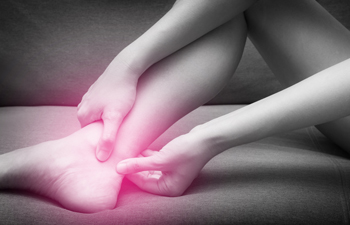
Achilles tendonitis is a common condition that causes pain, stiffness, and swelling along the back of the leg near the heel. It occurs when the Achilles tendon, which connects the calf muscles to the heel bone, becomes inflamed due to overuse or sudden strain. Athletes, runners, and those who frequently engage in high-impact activities are most at risk, especially if they increase activity intensity too quickly. Symptoms include a dull ache or sharp pain during movement, tenderness, and difficulty flexing the foot. Without proper care, the condition can worsen, leading to chronic pain or even tendon rupture. If you have this type of pain, it is suggested that you see a podiatrist for a proper diagnosis and treatment.
Achilles tendon injuries need immediate attention to avoid future complications. If you have any concerns, contact one of our podiatrists of Pocono Foot & Ankle Consultants. our doctors can provide the care you need to keep you pain-free and on your feet.
What Is the Achilles Tendon?
The Achilles tendon is a tendon that connects the lower leg muscles and calf to the heel of the foot. It is the strongest tendon in the human body and is essential for making movement possible. Because this tendon is such an integral part of the body, any injuries to it can create immense difficulties and should immediately be presented to a doctor.
What Are the Symptoms of an Achilles Tendon Injury?
There are various types of injuries that can affect the Achilles tendon. The two most common injuries are Achilles tendinitis and ruptures of the tendon.
Achilles Tendinitis Symptoms
- Inflammation
- Dull to severe pain
- Increased blood flow to the tendon
- Thickening of the tendon
Rupture Symptoms
- Extreme pain and swelling in the foot
- Total immobility
Treatment and Prevention
Achilles tendon injuries are diagnosed by a thorough physical evaluation, which can include an MRI. Treatment involves rest, physical therapy, and in some cases, surgery. However, various preventative measures can be taken to avoid these injuries, such as:
- Thorough stretching of the tendon before and after exercise
- Strengthening exercises like calf raises, squats, leg curls, leg extensions, leg raises, lunges, and leg presses
If you have any questions please feel free to contact our offices located in Stroudsburg, Nazareth, and Easton, PA . We offer the newest diagnostic tools and technology to treat your foot and ankle needs.
Plantar Warts Can Be Treated!

Plantar warts are small growths that develop on parts of the feet that bear weight. They're typically found on the bottom of the foot. Don't live with plantar warts, and call us today!
Recovery From Ankle Sprains While Staying Active

An ankle sprain happens when the ligaments supporting the ankle stretch or tear, often from a sudden twist or misstep. While painful, proper recovery ensures you regain strength and stability. The key to healing is balancing rest with gentle movement. Start with rest, compression, and elevation to reduce swelling and pain. As swelling subsides, begin light exercises such as ankle circles or toe flexing to maintain mobility and prevent stiffness. Avoid rushing back to high-impact activities. Gradually rebuild strength with resistance exercises and balance training to avoid re-injury. Wearing a supportive brace may help during this phase. Every sprain is unique and untreated or improperly healed injuries can lead to chronic instability. If you suspect you have an ankle sprain, it is suggested that you see a podiatrist for a proper diagnosis and care.
Although ankle sprains are common, they aren’t always minor injuries. If you need your ankle injury looked at, contact one of our podiatrists from Pocono Foot & Ankle Consultants. our doctors can provide the care you need to keep you pain-free and on your feet.
How Does an Ankle Sprain Occur?
Ankle sprains are the result of a tear in the ligaments within the ankle. These injuries may happen when you make a rapid shifting movement while your foot is planted. A less common way to sprain your ankle is when your ankle rolls inward while your foot turns outward.
What Are the Symptoms?
- Pain at the sight of the tear
- Bruising/Swelling
- Ankle area is tender to touch
- In severe cases, may hear/feel something tear
- Skin discoloration
Preventing a Sprain
- Wearing appropriate shoes for the occasion
- Stretching before exercises and sports
- Knowing your limits
Treatment of a Sprain
In many cases, the RICE method (Rest, Ice, Compression, and Elevate) is used to treat ankle sprains. However, you should see a podiatrist to see which treatment option would work best with your injury. In severe cases, surgery may be required.
It is important to ask your doctor about rehab options after you receive treatment for your injury. Stretching, strength training, and balance exercises may help the ankle heal while also preventing further injury.
If you have any questions, please feel free to contact our offices located in Stroudsburg, Nazareth, and Easton, PA . We offer the newest diagnostic and treatment technologies for all your foot care needs.
